Cybersecurity Tips for Online Safety
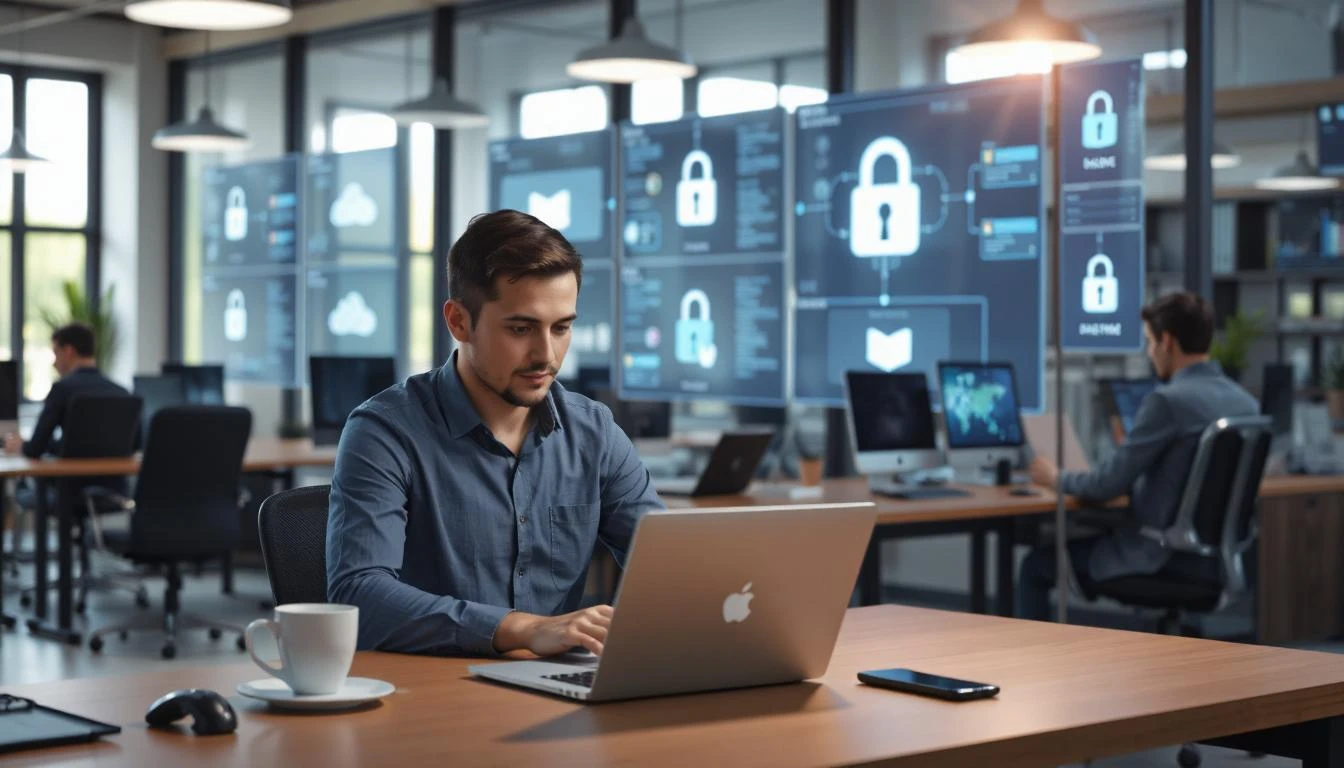
Have you ever wondered how much of your daily life exists online without you even realizing it? Every search, purchase, login, and social media interaction leaves behind valuable information. While technology has made life easier than ever, it has also opened the door to increasingly sophisticated cyber threats. Understanding how to stay protected is no longer optional, it is a practical skill that benefits everyone, from students and professionals to business owners and families.
The digital world is evolving at an incredible pace, and so are the tactics used by cybercriminals. Learning effective digital security protection methods helps you reduce unnecessary risks before they become costly problems. Rather than waiting until your accounts or personal data are compromised, you can build smart habits that strengthen your online safety from the very beginning.
Essential Online Security Practices
Staying secure online starts with everyday habits that are easy to overlook. By following safe online browsing practices, you can significantly reduce the chances of becoming a target for phishing, malware, or identity theft. As cybersecurity expert Bruce Schneier wisely said, "Security is a process, not a product." That simple idea reminds us that online protection depends more on consistent behavior than on a single security tool.
Creating Strong and Secure Passwords
Your password is the first line of defense against unauthorized access. Create unique passwords for every account, avoid predictable combinations, and consider using a trusted password manager to generate and store complex credentials securely. Long passphrases combined with numbers and symbols make brute-force attacks far less effective while improving overall account security.
Safe Browsing Habits for Daily Use
Safe browsing begins with paying attention to small details. Verify website addresses before entering sensitive information, use HTTPS-secured websites, avoid downloading files from unknown sources, and install browser updates as soon as they become available. When using public Wi-Fi, a reputable VPN provides an additional layer of protection for your personal information.
Identifying Phishing and Scam Attacks
Modern phishing scams have become more convincing thanks to artificial intelligence. Fraudulent emails, fake login pages, and deceptive text messages often imitate trusted companies almost perfectly. Before clicking any link or opening an attachment, pause for a moment and verify its authenticity. A few extra seconds of caution can prevent serious financial and personal losses.
Protecting Personal and Business Data
Protecting information is no longer only about preventing theft, it is also about ensuring that valuable data remains available when you need it most. Whether you manage personal documents or sensitive business files, adopting proactive security measures creates long-term resilience against unexpected cyber incidents.
Secure Cloud Storage Management
Cloud storage makes collaboration easier, but security should always come first. Encrypt confidential files before uploading them, review sharing permissions regularly, and remove outdated public links. Good cloud security practices help maintain privacy while reducing unauthorized access.
Multi Factor Authentication Benefits
Multi-factor authentication adds another verification step beyond your password. Even if login credentials are compromised, attackers still face an additional security barrier before accessing your account. This simple feature remains one of the most effective protections available for both personal and professional accounts.
Data Backup and Recovery Planning
Unexpected ransomware attacks, accidental deletions, or hardware failures can happen at any time. Following the 3-2-1 backup strategy, three copies of your data stored on two different media with one copy kept offline, ensures that important files can be recovered quickly when problems occur.
Modern Cybersecurity Trends in 2026
Cybersecurity continues to evolve alongside technology. New defensive tools are becoming smarter, faster, and more capable of identifying threats before they cause damage. Understanding these developments helps you stay one step ahead in an increasingly connected world.
AI Based Threat Detection Systems
Artificial intelligence is transforming cybersecurity by identifying unusual patterns that traditional systems may overlook. AI-powered threat detection can analyze enormous amounts of data in real time, helping organizations detect attacks earlier and respond more efficiently before damage spreads.
Mobile Device Security Improvements
Smartphones now contain banking applications, authentication codes, personal photos, and business communications. Keeping operating systems updated, enabling biometric authentication, reviewing app permissions, and downloading applications only from official stores significantly improve mobile security.
Privacy Protection for Social Media Users
Sharing too much information online can unintentionally help cybercriminals build detailed profiles about you. Review your privacy settings regularly, limit public visibility, disable unnecessary location sharing, and be selective when accepting friend or connection requests to better protect your digital identity.
Stay Protected with Smart Cybersecurity Strategies
Cybersecurity is not about living in fear, it is about making informed decisions every day. Small actions repeated consistently often provide stronger protection than complicated security solutions used only once. As Eugene Kaspersky, founder of Kaspersky, has emphasized, cybersecurity is ultimately about protecting people's lives, privacy, and trust in the digital world. The more proactive your habits become today, the more confident you will feel navigating tomorrow's technology.
If there is one thing worth remembering, it is that your next click always matters. Every secure password you create, every suspicious email you avoid, and every software update you install contributes to a safer digital future for yourself and those around you.
Start applying these cybersecurity strategies today and make online safety part of your everyday routine.